

Throughout the twentieth century and the early decades of the twenty-first century, certain airliners permanently changed the way we fly - through their size, elegance, technological innovation, or cultural impact. This selection brings together ten commercial aircraft that have become true icons of air transport and key milestones in the history of civil aviation.
1. Douglas DC-3
First flight: 17 December 1935
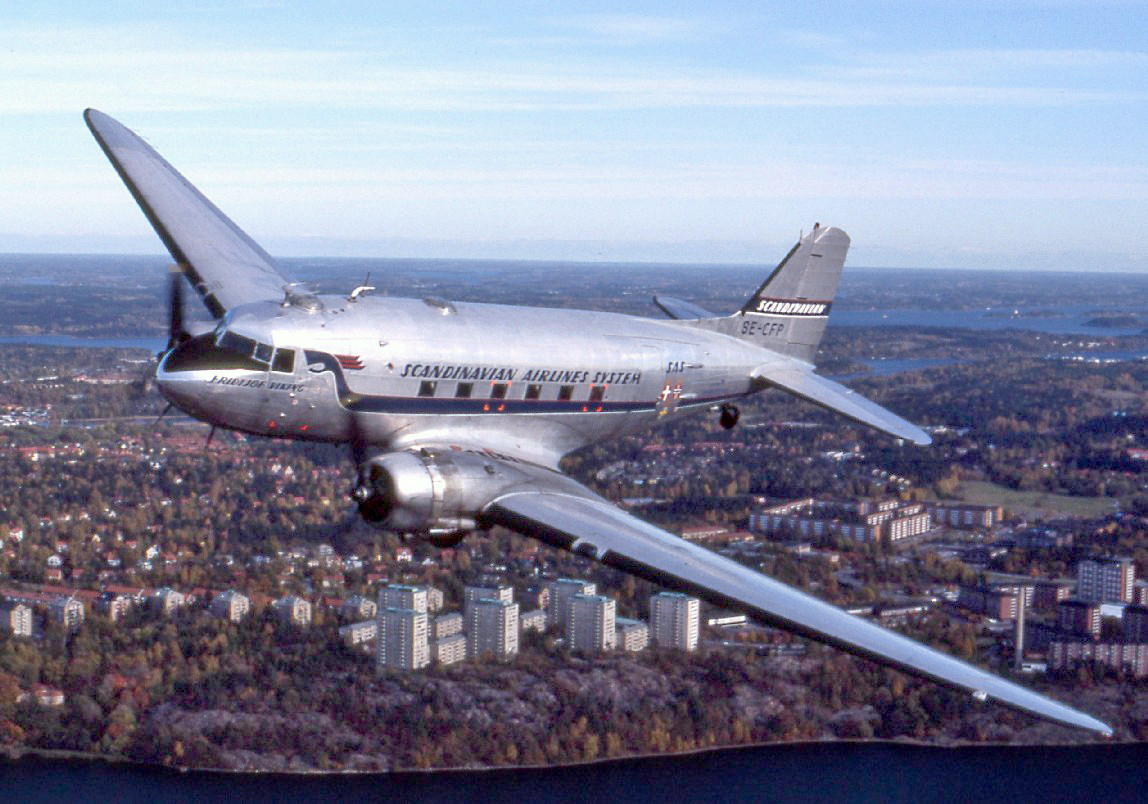
The aircraft that made commercial air transport economically viable and reliable. Robust, versatile, and exceptionally long-lived, it is widely regarded as the true starting point of modern airline aviation.
https://en.wikipedia.org/wiki/Douglas_DC-3
2. Boeing 707
First flight: 20 December 1957
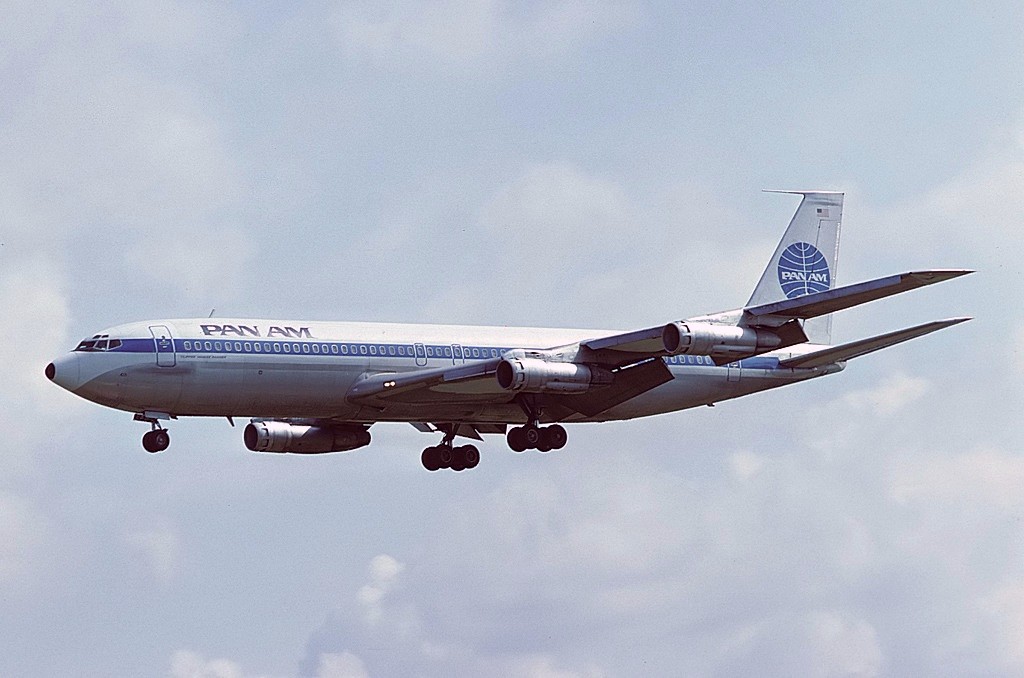
The jet that ushered in the era of commercial jet travel. During the 1960s, it transformed air transport by dramatically reducing travel times on intercontinental routes.
https://en.wikipedia.org/wiki/Boeing_707
3. Boeing 737
First flight: 9 April 1967
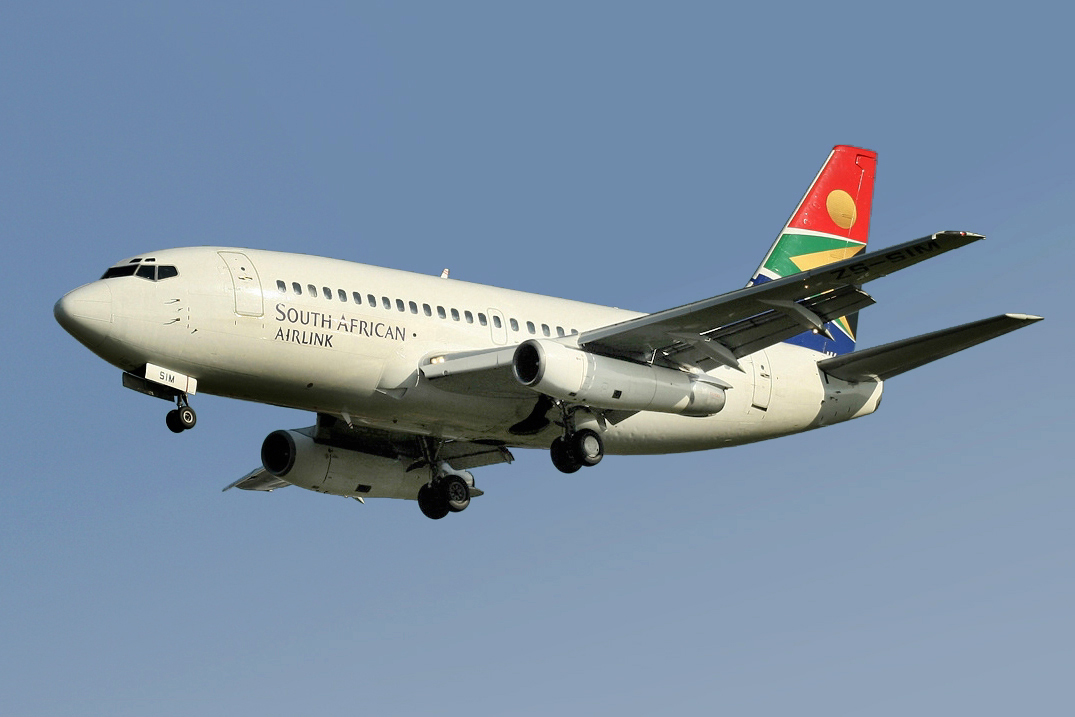
The most produced airliner in history. Originally designed for short-haul routes, it evolved into numerous variants and became a constant presence at airports worldwide.
https://en.wikipedia.org/wiki/Boeing_737
4. Concorde
First flight: 2 March 1969
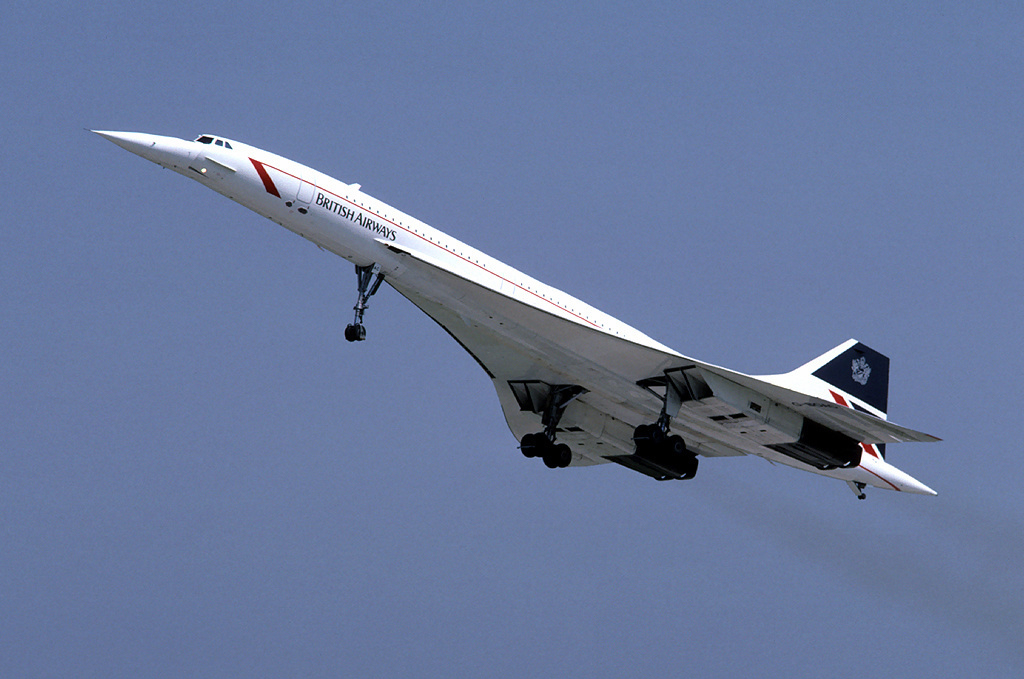
The symbol of supersonic civil aviation. Capable of flying at Mach 2, it embodied for decades an idea of travel that was exclusive, fast, and technologically daring.
https://en.wikipedia.org/wiki/Concorde
5. Boeing 747
First flight: 9 February 1969
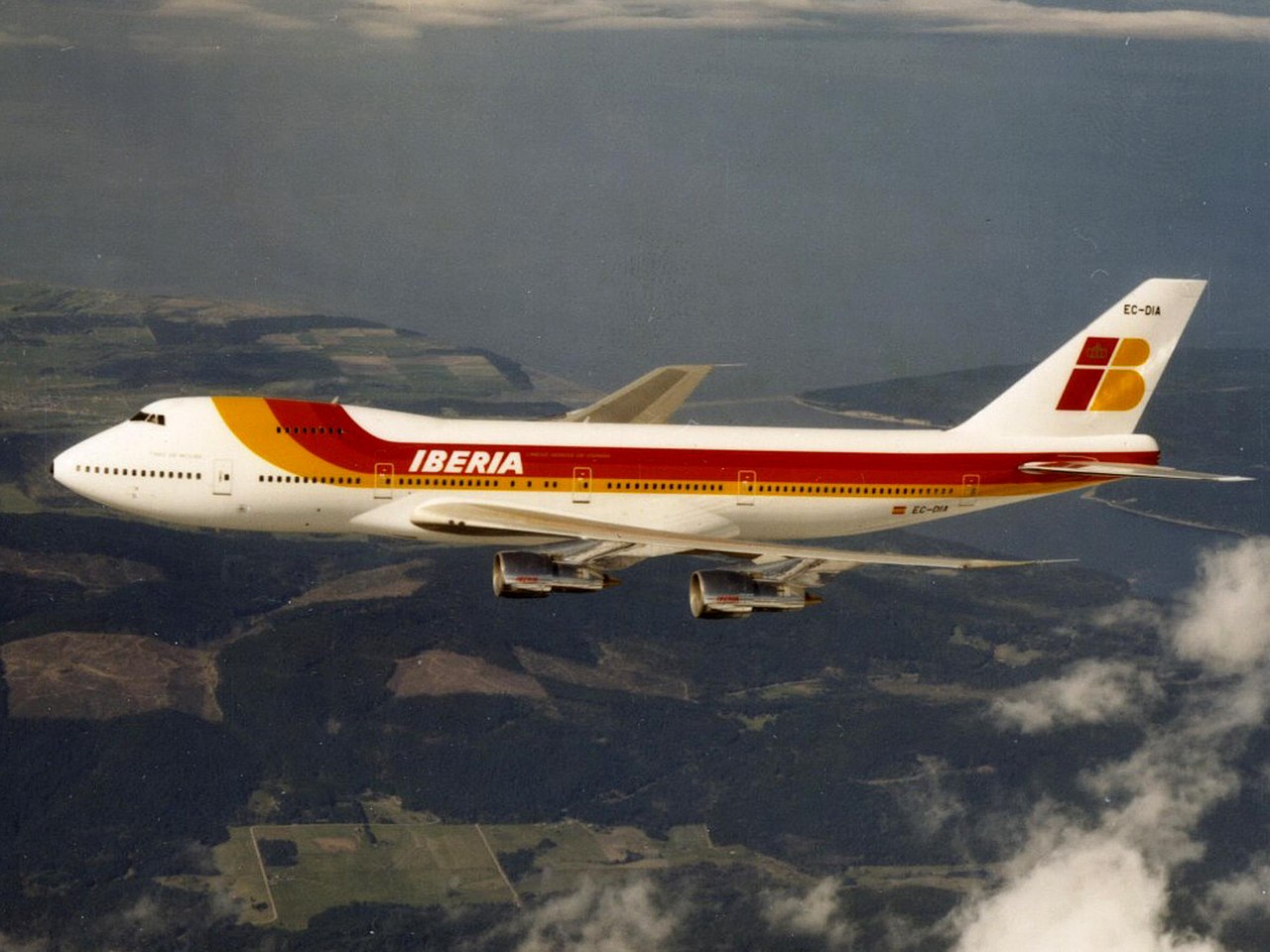
The first “jumbo jet” in history. With its iconic hump, it democratized long-haul air travel and redefined the scale and ambitions of global air transport.
https://en.wikipedia.org/wiki/Boeing_747
6. McDonnell Douglas DC-10
First flight: 29 August 1970
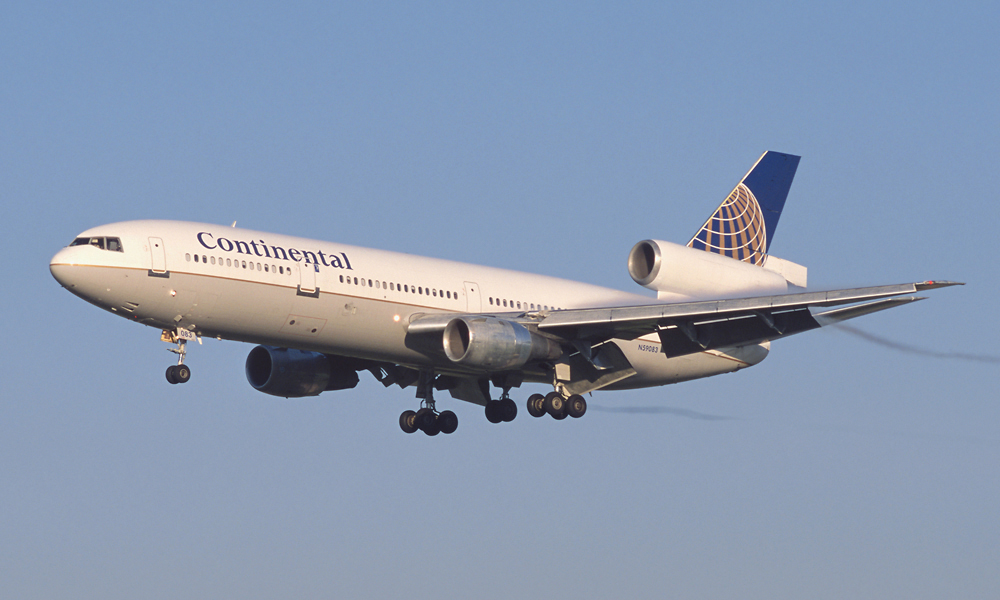
A tri-jet wide-body emblematic of the 1970s. Despite a complex operational history, it played a central role in the development of high-capacity intercontinental flights.
https://en.wikipedia.org/wiki/McDonnell_Douglas_DC-10
7. Lockheed L-1011 TriStar
First flight: 16 November 1970
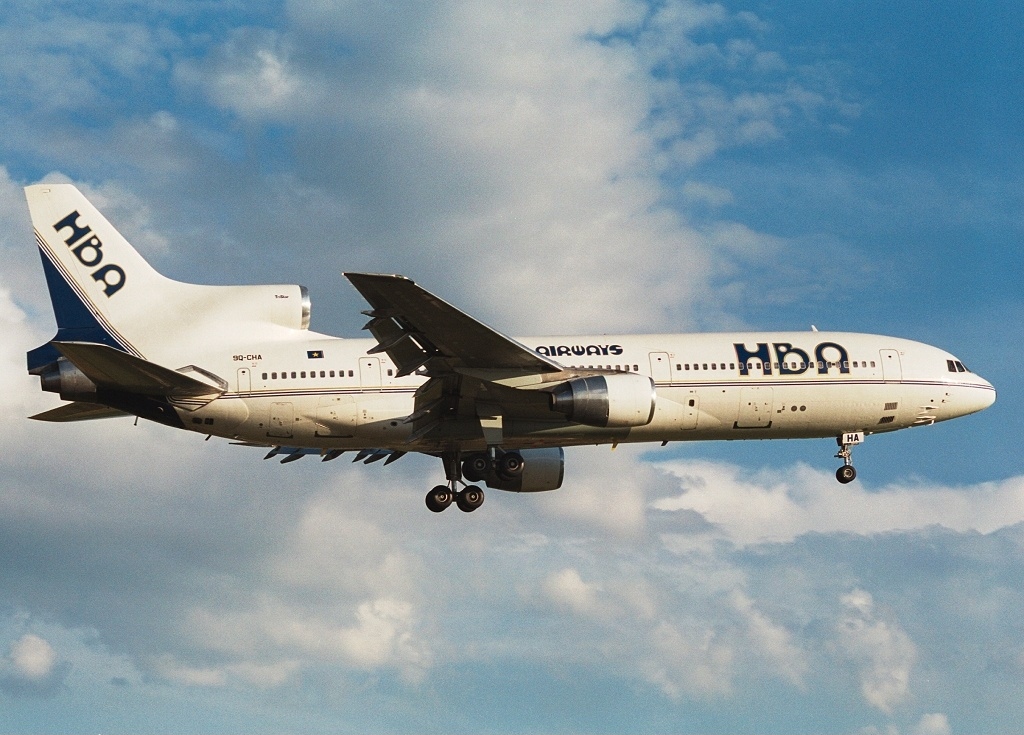
Elegant and technologically advanced, it introduced significant innovations — particularly in automated systems — but suffered from unfortunate industrial decisions and fierce competition.
https://en.wikipedia.org/wiki/Lockheed_L-1011_TriStar
8. Airbus A320
First flight: 22 February 1987
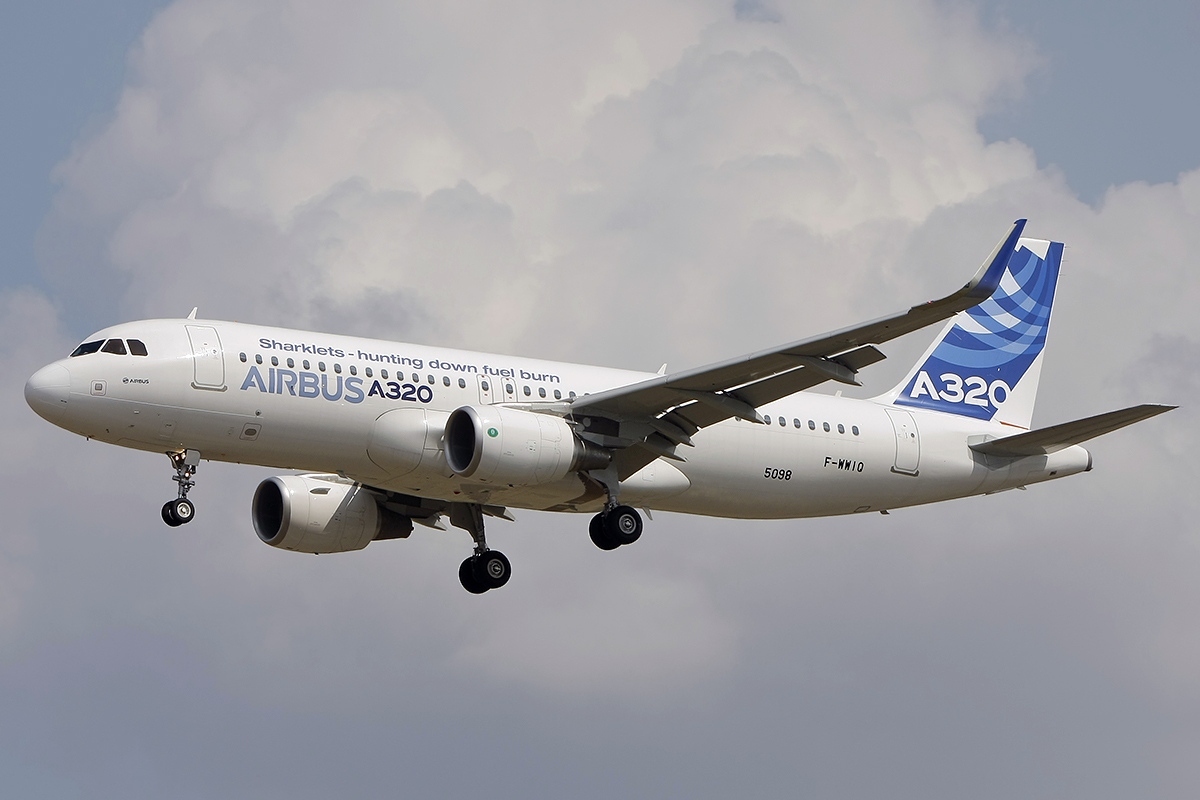
The first airliner to feature fully digital fly-by-wire flight controls. It revolutionized short- and medium-haul aviation and remains one of the most widely used aircraft families in the world.
https://en.wikipedia.org/wiki/Airbus_A320_family
9. Airbus A380
First flight: 27 April 2005
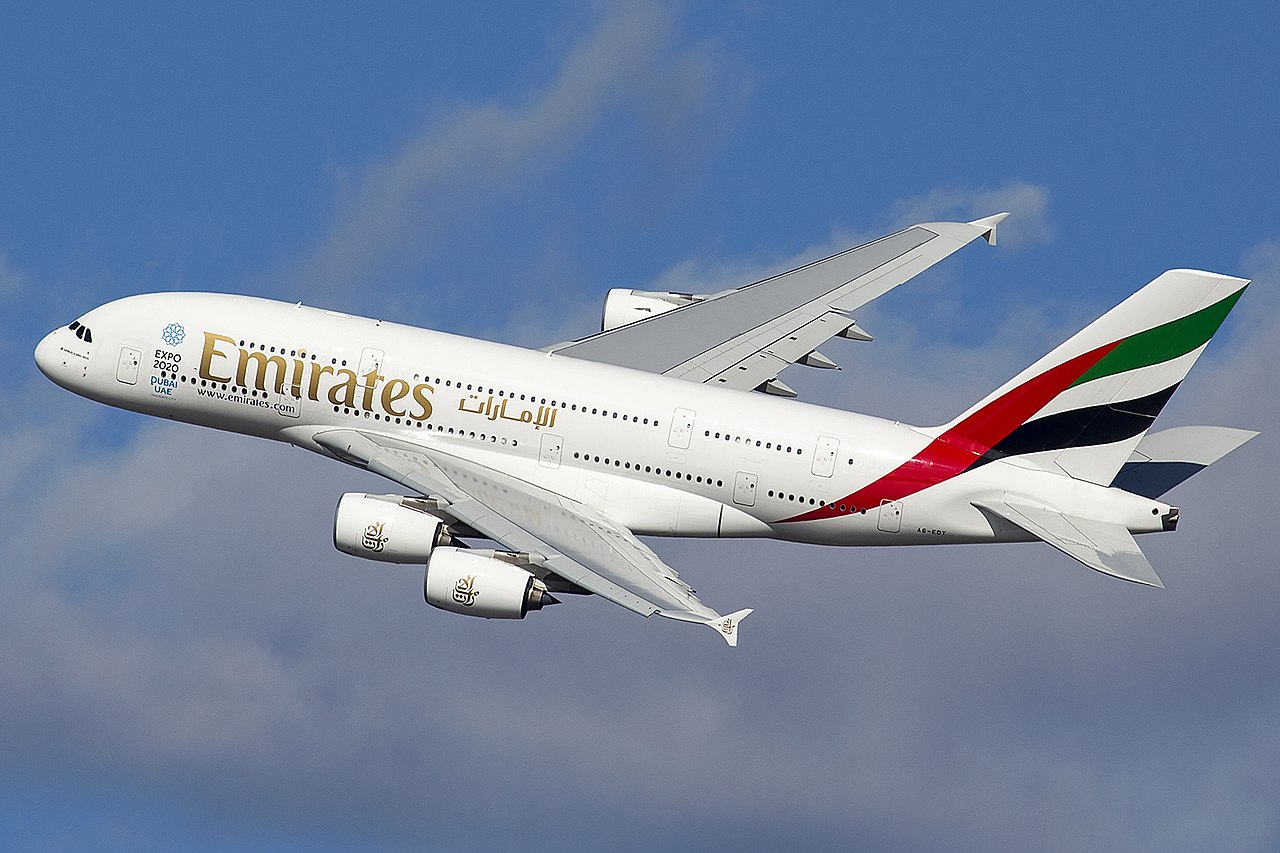
The largest passenger aircraft ever to enter service. Designed to connect major global hubs, it has become an icon of twenty-first-century aviation, both admired and debated.
https://en.wikipedia.org/wiki/Airbus_A380
10. Boeing 787 Dreamliner
First flight: 15 December 2009
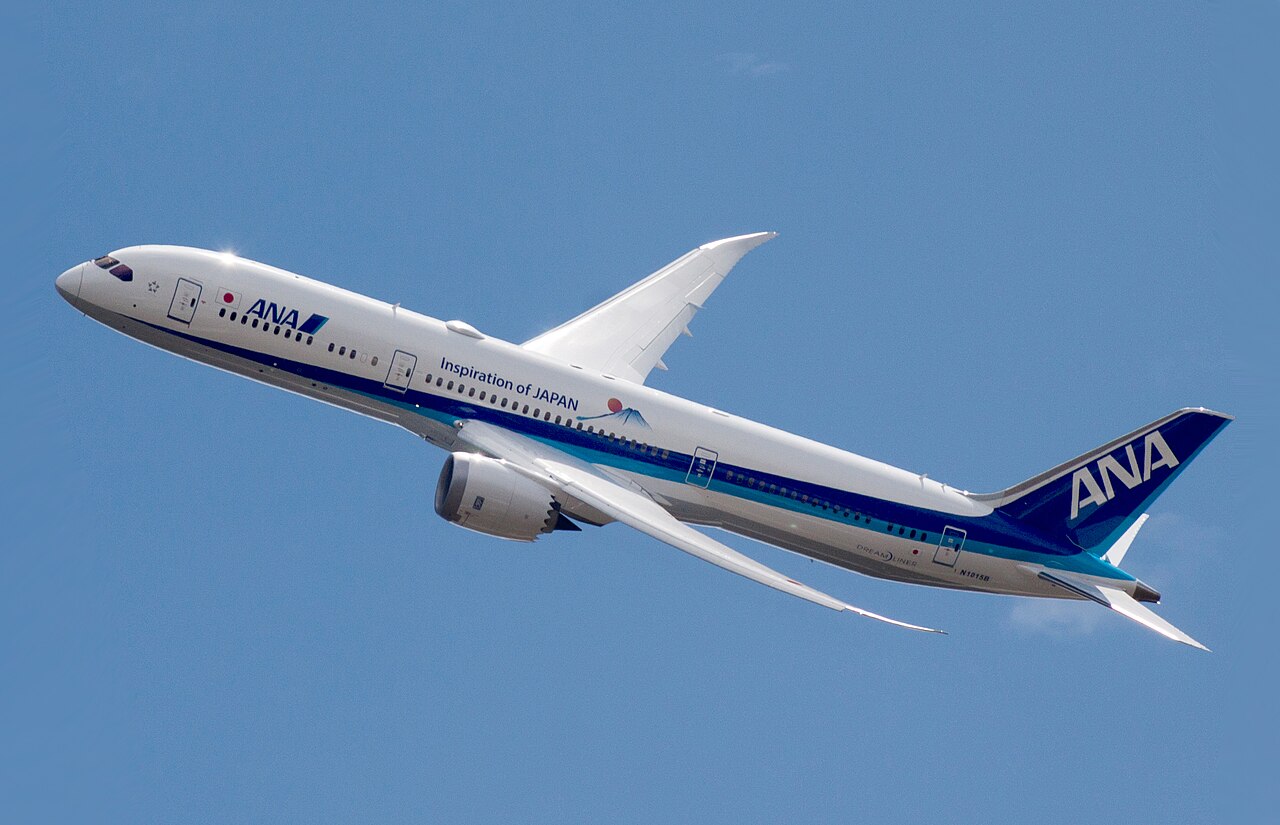
The aircraft that launched a new generation of airliners, combining composite materials, improved energy efficiency, and enhanced comfort for long-haul travel.
https://en.wikipedia.org/wiki/Boeing_787_Dreamliner
11. COMAC C919
First commercial flight: 28 May 2023
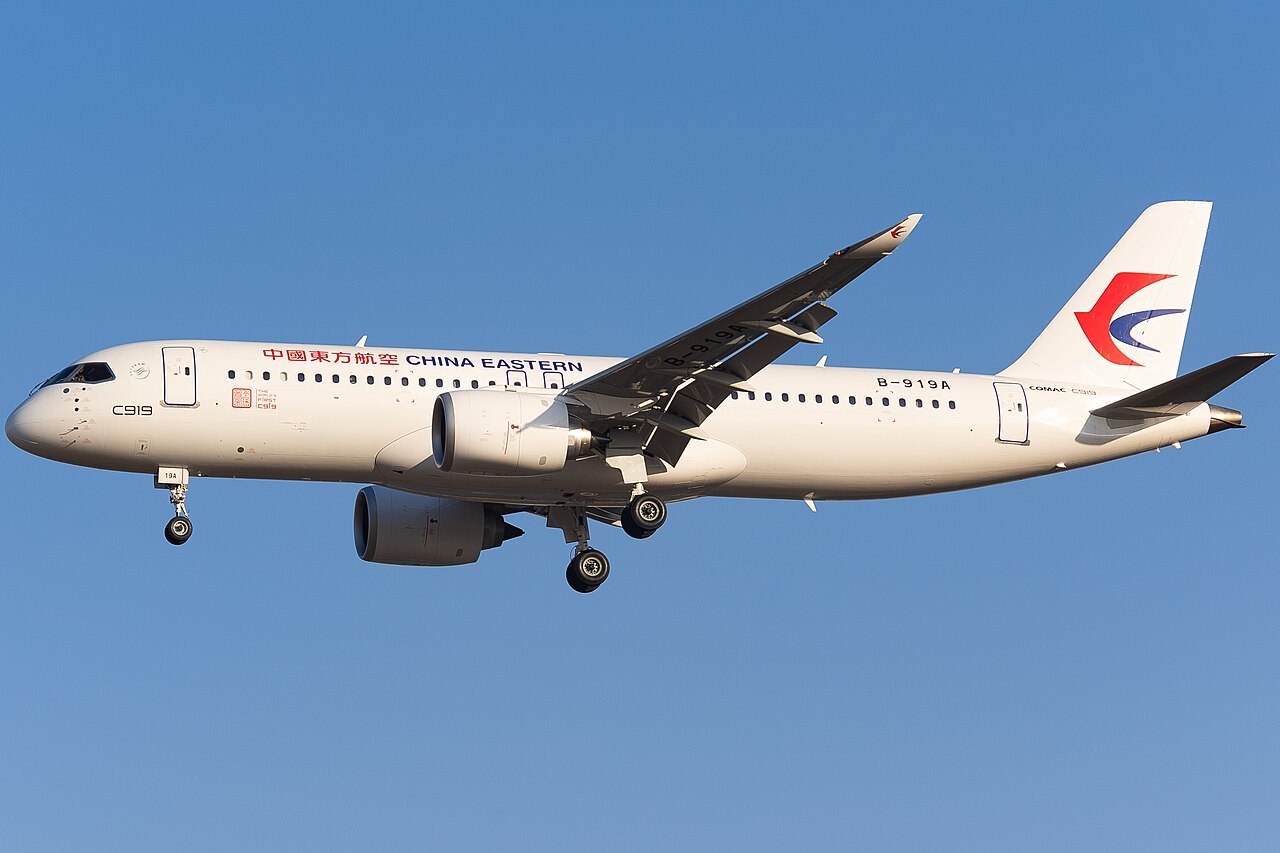
If the ten aircraft above shaped the first century of commercial aviation, the question naturally arises: which aircraft might define what comes next? A compelling hypothesis points east.
The COMAC C919 - developed by the Commercial Aircraft Corporation of China and certified by China's Civil Aviation Administration (CAAC) in September 2022 - represents far more than a new narrowbody airliner. It is the most visible expression of China's ambition to break the Airbus-Boeing duopoly that has dominated commercial aviation for decades. A single-aisle aircraft configured for 158 to 192 passengers with a range of up to 5'555 kilometres, it directly targets the same market segment as the Boeing 737 and Airbus A320.
Since its entry into service, the aircraft has been operated intensively by China's major carriers - China Eastern, Air China, and China Southern. Beyond China's borders, COMAC has entered negotiations with airlines in Indonesia, Kazakhstan, and Cambodia Simple Flying, though international expansion remains constrained by the absence of Western regulatory approval. EASA certification - considered critical for global market access - is now expected no earlier than 2028-2031, and FAA approval faces even steeper geopolitical obstacles.
Whether the C919 ultimately achieves the global reach of a 737 or an A320 remains genuinely open. What is less in doubt is its symbolic weight: for the first time since the jet age began, a non-Western manufacturer is fielding a credible narrowbody contender on the world stage. The C919 may or may not become an icon in the same sense as the aircraft that precede it on this list. But it already signals that the geography of commercial aviation - long centred on Seattle and Toulouse - is shifting. In that sense alone, it deserves a place in any honest account of where the industry is heading.